

How to Choose a Therapist in Hamilton, Ontario
Looking for a therapist can feel overwhelming, especially if you’re already feeling anxious, low, or unsure where to begin. With so many therapy options in Hamilton, it’s common to wonder how to choose someone who actually feels like the right fit.
This page is here to help you slow things down and make an informed, grounded decision. Whether you’re new to therapy or returning after a break, choosing the right therapist is about more than credentials — it’s about finding support that feels safe, supportive, and aligned with your needs.

You don’t need a perfect label for what you’re experiencing to start therapy. Many people begin with a general sense that something isn’t quite right.
People often look for therapy to support:
anxiety, overthinking, or constant worry
depression, low mood, or emotional numbness
burnout, stress, or feeling overwhelmed
major life changes or feeling stuck
identity or self-esteem concerns
relationship challenges or repeating patterns
As you explore therapy options in Hamilton, notice whether a therapist speaks to the concerns you’re navigating and whether their approach resonates with you.
Start With What You’re Seeking Support For
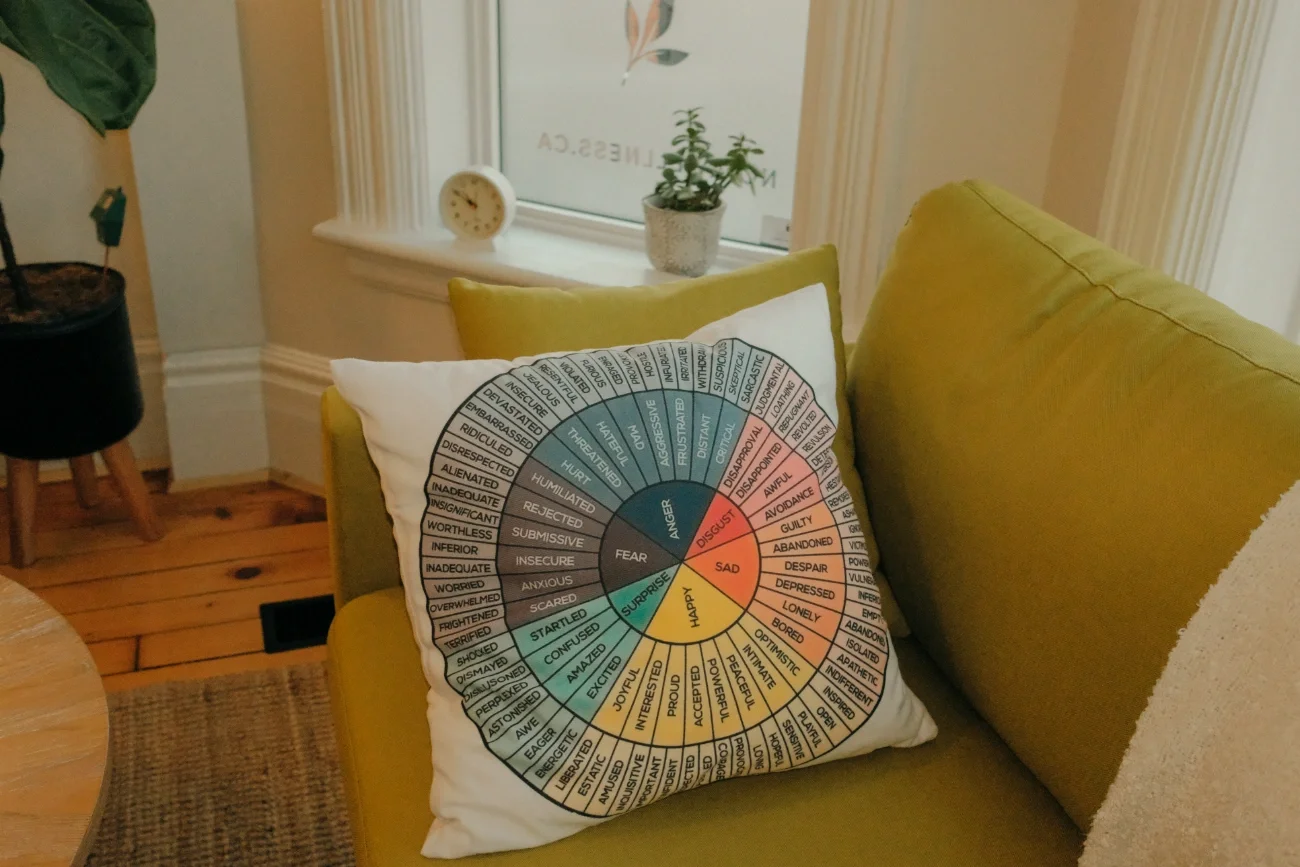
Start with what you’re seeking support for
You don’t need a perfect label for what you’re experiencing to start therapy. Many people begin with a general sense that something isn’t quite right. People often look for therapy to support:

Anxiety, overthinking, or constant worry
Burnout, stress, or feeling overwhelmed
Major life changes or feeling stuck
Depression, low mood, or emotional numbness
Relationship challenges or repeating patterns
As you explore therapy options in Hamilton, notice whether a therapist speaks to the concerns you’re navigating and whether their approach resonates with you.
Identity concerns or feeling disconnected from yourself setting boundaries
What to Consider when Choosing a Therapist in Hamilton
We’ve put together a few key things to keep in mind as you explore therapy options in Hamilton and decide what type of support feels right for you.
-
There is no single “best” type of therapy. Different approaches work for different people, and many therapists use an integrative style.
Some common approaches include:
Talk-based therapy, which focuses on understanding thoughts, emotions, and patterns
Somatic or body-based therapy, which includes awareness of the nervous system and physical sensations
Skills-based approaches, which support emotional regulation and coping strategies
Integrative therapy, which blends multiple approaches based on your needs
If you’re unsure what type of therapy is right for you, that’s okay. Many therapists explore this collaboratively during an initial consultation.
-
In Hamilton, therapy can be accessed through both public and private options.
Public or community mental health services may:
offer low-cost or no-cost therapy
involve waitlists
provide time-limited support
Private therapy clinics often:
have shorter wait times
offer more flexibility in scheduling
provide ongoing or longer-term therapy
offer in-person, virtual, or hybrid options
Neither option is “better” — the right choice depends on accessibility, urgency, and personal preference.
-
One of the strongest predictors of a positive therapy experience is the relationship between you and your therapist. Feeling comfortable, respected, and understood matters more than choosing the “perfect” technique.
As you’re deciding, you might ask yourself:
Do I feel at ease talking to this person?
Do they seem warm, grounded, and non-judgmental?
Do I feel heard and understood?
Can I imagine building trust over time?
It’s okay if the first therapist you meet isn’t the right fit. Therapy is a relational process, and it’s normal to take time to find the right match.
-
Alongside emotional fit, practical factors can play an important role.
You may want to consider:
location and commute (such as Locke Street, Westdale, or Dundas)
whether you prefer in-person or virtual therapy
availability that fits your schedule
accessibility and comfort with the space
Many people choose virtual therapy for flexibility, while others find in-person sessions grounding and supportive.
-
Free consultations can be a useful way to get a feel for a therapist before committing.
A consultation can help you:
ask questions about a therapist’s approach
understand what sessions might look like
notice how the interaction feels for you
A consultation is not a commitment — it’s simply a chance to explore fit.Free consultations can be a useful way to get a feel for a therapist before committing.
Finding a Therapist at Noia Wellness
At Noia Wellness, we offer therapy for adults, young adults, students, teens (15+), and couples in Hamilton and across Ontario. Our therapists take a collaborative, trauma-informed, and integrative approach, with options for in-person sessions near Locke Street and virtual therapy.
If you’re exploring therapy and want support finding the right fit, we’re happy to connect and answer any questions you may have.

Find Your Fit:
Therapist Matching Form
Match with a therapist on our team that fits your needs! Tell us a little about yourself, and a team member will get back to you in 1-2 business days.