
Wellness in the Cold – Debunking the “Winter Blues”
By Lauryn Johnson (Noia Wellness Volunteer), 2026
How the Cold Weather Impacts Well-Being
The “winter blues” are more than just a passing slump during the colder months. With days growing shorter and scarce sunlight, many people experience shifts in mood, energy, and wellbeing. For some, these changes are smaller, but for others, this can create mental health difficulties that may benefit from additional support, including counselling or therapy in Hamilton.
In places like Hamilton, where winters can feel long, grey, and cold, especially with lake-effect weather and reduced daylight, these seasonal changes can feel even more noticeable.
With understanding some of the causes, treatments, and other strategies for support, individuals can better navigate these challenges and maintain a greater sense of mindfulness and wellness throughout the entire year.
Seasonal Affective Disorder & The ‘Winter Blues’
Seasonal Affective Disorder (SAD) is a subtype of depression that categorizes symptoms within a specific seasonal period, most typically during the fall and winter. Its symptoms are similar to other forms of depression (e.g., changes in sleep, irritability, changes in appetite, feelings of hopelessness or worthlessness, anxiety, difficulty concentrating, and, in some cases, suicidal ideation).
Another symptom is anhedonia, which refers to losing interest in activities you typically enjoy. This symptom is important to catch in the early stages, as it can create a cyclical effect on mood, behaviour, and overall outlook.
SAD is most common in women between ages 18–30 and has high comorbidity rates with major depressive disorder and bipolar disorder. It is also more commonly found in regions with long winters or frequent cloud cover — which can make seasonal mood changes more noticeable for those living in southern Ontario.
Generally, during the winter, many people experience changes in energy and mood. It does not have to be clinically diagnosed for it to matter. Maintaining wellbeing and seeking help is important regardless of diagnostic labels. In other words, you do not need a diagnosis to explore therapy for anxiety, low mood, or stress.
With winter comes shorter days and less sunlight. Not only does this reduce time spent outdoors, but people may also feel less motivated to go outside. This can create a negative reinforcement pattern of reduced sunlight exposure, which has both psychological and biological consequences.
Although it may be difficult at times, it can be helpful not to wait until warmer weather to begin living the life you want. Reduced outdoor activity can also impact social interaction, which plays an important role in mental health. For employees, research shows lower mood and productivity, with increased fatigue and difficulty concentrating. For students, winter can bring additional stressors such as returning to school, midterms, and exams – creating a multi-factor impact on mood and stress levels.
Biological Causes: Neurotransmitters and Serotonin
A lack of sunlight disrupts circadian rhythms and alters brain chemicals tied to mood regulation. In particular, serotonin levels tend to decrease. Serotonin plays a key role in mood regulation and emotional balance.
Melatonin, which regulates sleep, can also be affected, leading to disruptions in sleep patterns. These neurotransmitters are part of the body’s emotional regulation system, and when disrupted, challenges can arise.
Sunlight plays an important role in maintaining these systems. Vitamin D, which is influenced by sun exposure, contributes to serotonin production. Reduced sunlight during the winter months can therefore impact mood regulation and overall wellbeing.
Understanding this can help normalize the experience many people have during the colder months, and why additional support — including counselling or therapy in Hamilton — can be helpful.
Seeking Help: Types of Therapy
There are several methods of therapy that can help relieve the “winter blues” or Seasonal Affective Disorder.
Light therapy is one approach, involving exposure to a specialized lamp for 15–30 minutes in the morning. Some individuals report mood improvements within a few days. It is important to consult a physician before starting, as certain conditions may not interact well with this treatment.
Cognitive Behavioural Therapy (CBT) is a form of talk therapy that helps reframe negative thought patterns. For depression, CBT works to challenge feelings of hopelessness and replace them with more constructive actions, such as engaging in meaningful or rewarding activities. This can help interrupt the cycle of low mood and avoidance.
Other forms of talk therapy can help uncover underlying emotional challenges, support stress reduction, and build resilience. Therapy can also help individuals focus on the present moment and develop coping strategies that feel sustainable.
Medication, such as SSRIs (antidepressants), may also be prescribed by a medical professional. These medications support serotonin levels and can assist with emotional regulation. Research shows they are often most effective when combined with counselling or psychotherapy.
Another approach includes increasing exposure to Vitamin D through sunlight. Even brief exposure — such as sitting near a window or going outside for a short walk — can be beneficial. Supplements may also help, though professional guidance is recommended.
If symptoms feel persistent or overwhelming, seeking professional support through therapy for anxiety or low mood can be an important step.
Mindfulness at Home
Creating supportive habits at home can help improve overall wellbeing during the winter months.
Starting the day with mindful meditation — even for five minutes — can help set a calm tone and reduce stress.
While the suggestion to “just go for a walk” can sometimes feel invalidating, it does have some truth behind it. A short walk outdoors can help release endorphins and improve mood. On days when it feels too cold, indoor movement such as yoga or light exercise can also help shift energy.
Social support is incredibly important. Reduced social interaction during winter can lead to loneliness, which has its own impact on mental health. Staying connected with others, even in small ways, can help maintain a sense of belonging.
Listening to music can also influence mood. Music that feels uplifting or comforting can support emotional regulation and overall outlook.
Planning something to look forward to — whether small or significant — can help reduce feelings of hopelessness and create a sense of forward movement.
How This Benefits Us – Why Is It Important?
Maintaining wellness during the winter has benefits beyond simply “feeling better".
Improved wellbeing can support:
Better sleep quality
Stronger immune function
Improved stress management
Healthier relationships
According to the World Health Organization, mental health influences how we handle stress, make decisions, and relate to others.
During the winter, people are often less likely to engage in rewarding activities, which can contribute to lower mood and reduced motivation. This can create a cycle that reinforces itself.
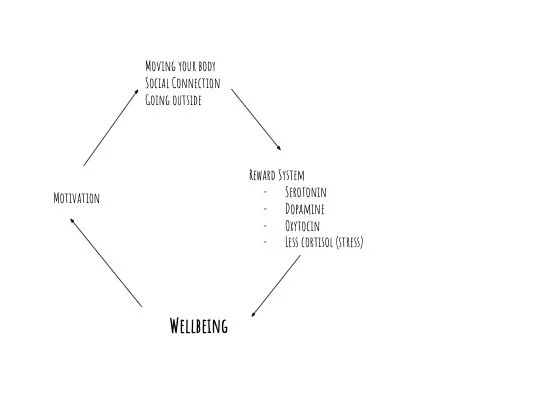
From a biological, psychological, and social perspective, winter creates a convergence of risk factors. Supporting wellbeing — whether through lifestyle changes, community connection, or therapy in Hamilton — can help interrupt this cycle and restore balance.
Final Thoughts
The winter season can be challenging, but it does not have to be something you simply endure.
Whether through therapy, clinical support, movement, or small daily practices, there are ways to support your mental health during colder months. If you are noticing persistent changes in mood, energy, or motivation, reaching out for support through counselling or therapy can be a meaningful step.